What To Do In Osaka For A Day?
A one-day Osaka route built around Osaka Castle: morning tower visit, museums, river or road train, Namba and Dotonbori in the evening, with real prices and timings.
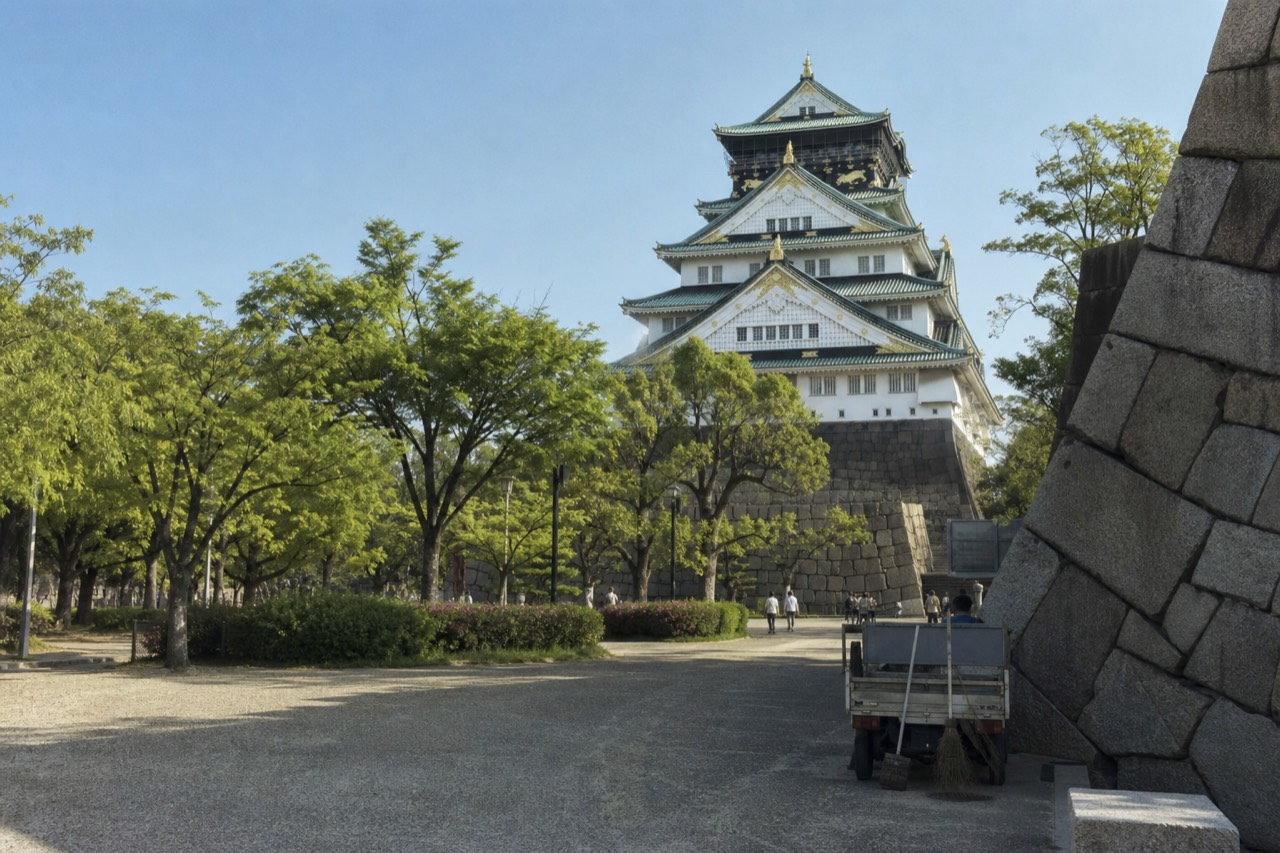
What To Do In Osaka For A Day?
The best one-day Osaka plan is a castle morning, a museum stop before lunch, a river or park loop in the afternoon, and Namba or Dotonbori from early evening onward. Start at Osaka Castle at 9:00, when the ticket office opens and queues are shortest, and finish under the free exterior illumination, which runs from sunset until 00:30. Osaka Castle Tickets is the site this route is built around, and the castle is where the day should start too.
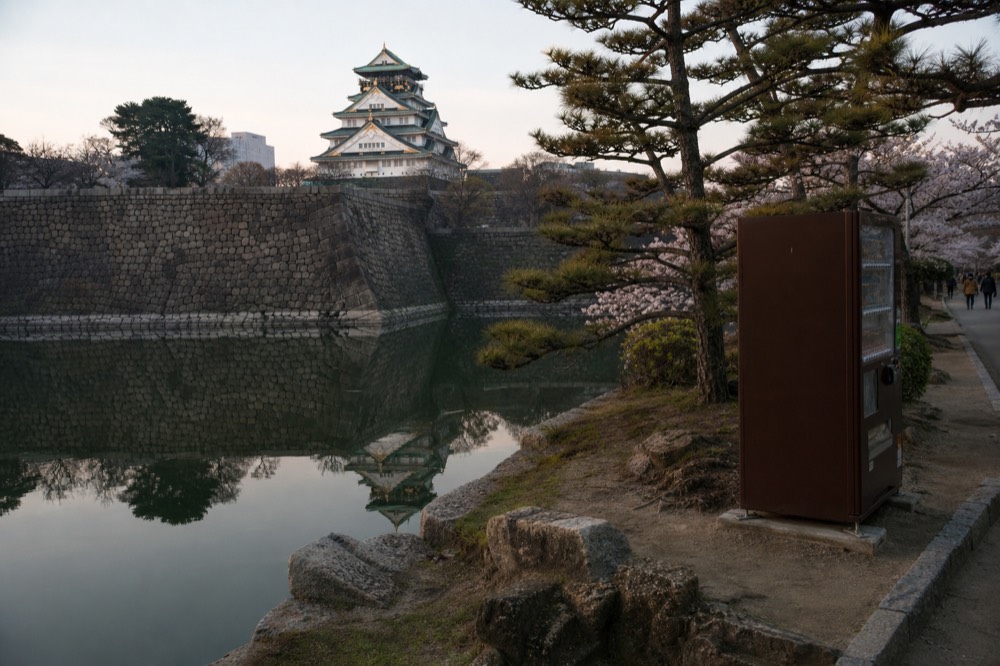
Most one-day itineraries start at the castle for a practical reason, not a sentimental one. The castle's own map puts every rail station 18 to 21 minutes on foot from the Main Tower, because the approach crosses a park and passes through gates rather than along a street, so you want that walk done early while legs are fresh and the queue line is short. The castle museum itself warns that on busy days the ticket-purchase queue can be capped before the 17:30 last admission, which is a roundabout way of saying the morning is the safe window. That single fact shapes the whole day: castle first, everything else radiates outward.
The tower opens 9:00 and closes 18:00, with last admission at 17:30, every day except 28 December to 1 January. Adult admission is 1,200 yen, the price set on 1 April 2025, and that one ticket includes both the Main Tower and the Osaka Castle Toyotomi Stone Wall Museum, the underground gallery that opened 1 April 2025 above a section of Hideyoshi's original stone wall. The museum says most visitors spend 50 to 60 minutes inside, or about 1.5 hours if you read things properly. Budget the upper end.
There are two ways to buy castle admission, and the difference is the queue, not the price. The e-ticket from the operator's live listing costs from $7.69 per adult, which at roughly 156 yen to the dollar is that same 1,200 yen: there is no markup, and what the extra step buys is a QR code that scans straight past the ticket-purchase line and entry guaranteed for the day. Buying at the gate in cash or by card costs the same 1,200 yen, but puts you in the line the castle warns can be capped before 17:30. One group should skip the e-ticket entirely: high school and university students pay 600 yen at the gate with proof, and junior high students and younger are free, and the online listing sells only the adult ticket type, so student and family groups genuinely do better at the gate.
Should You Start With The Tower, The Garden Or The Park?
Start with the tower, since it closes at 18:00 and gets crowded on the upper floors, then visit the park and Nishinomaru Garden afterwards, which stay walkable all day. The order matters more than the itinerary: the 105.6-hectare park grounds are free to walk, so if you arrive by 9:00 you will finish the tower and the Stone Wall Museum by around 11:00 with the whole afternoon still ahead of you.
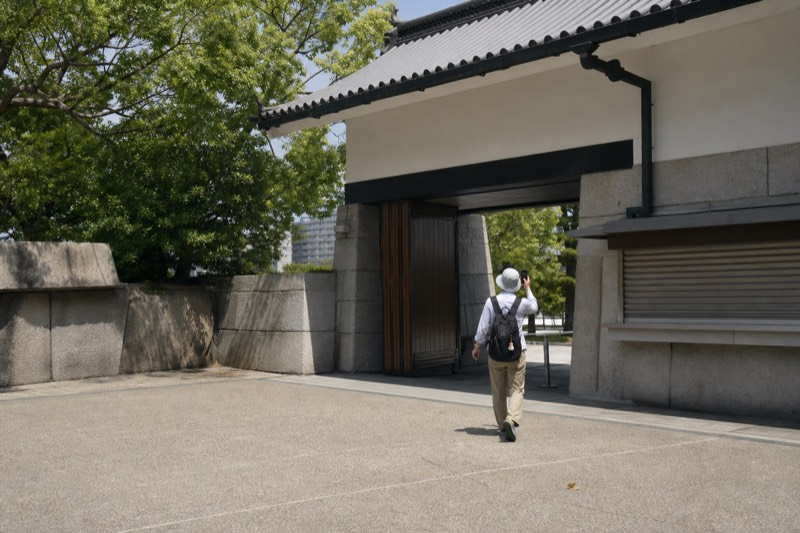
A reasonable castle block looks like this. Walk in from Tanimachi 4-chome station through the Otemon gate, which the castle itself describes as the comparatively flat, wheelchair-passable route. Reach the tower, spend an hour inside, come out and see the giant stones of the Sakuramon masugata, then descend into the Stone Wall Museum if you did not do it on the way in. That single 1,200 yen ticket covers both venues on the same day. Nishinomaru Garden, the lawn garden inside the western bailey, is a separate 300 yen adult ticket with about 300 cherry trees and the two oldest surviving buildings at the castle, the Sengan-yagura and Inui-yagura turrets, both built in 1620.
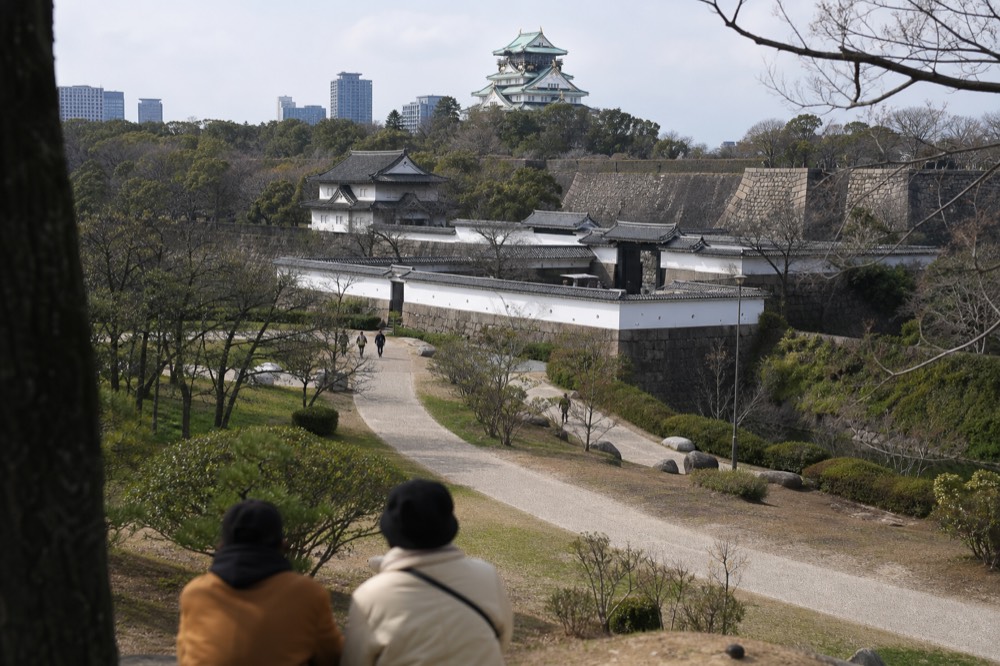
The hours differ in a way that catches people out. The tower is open 9:00 to 18:00 and never closes on Mondays; Nishinomaru Garden closes at 17:00 from March to October, at 16:30 the rest of the year, and is closed Mondays, plus 28 December to 4 January. If your one day in Osaka is a Monday, you visit the tower and skip the garden, and nothing else on this route breaks.
The castle grounds also carry the biggest concentration of giant stone walls in Japan, in the castle's own phrase, and a May 2025 incident underlined that they are real infrastructure, not scenery: according to an Osaka City report, a capstone roughly two metres long came off the inner-moat water-hammer wall in the northeast section in May 2025, officials inspected the site on 29 May and 6 June, and repair works were scheduled for March 2026. Do not read that as a safety problem; read it as the reason the walls you are photographing are four centuries old and still being maintained by the city.
What Should You See Near The Castle Before Lunch?
Before lunch, see the Toyotomi Stone Wall Museum inside the castle admission, since it is the only place on earth where a Toyotomi-era wall of Hideyoshi's castle can be seen at all, and it costs nothing beyond the tower ticket you already hold. If time allows, add the Osaka Museum of History next door for 600 yen, and your afternoon stays free. The Tokugawa shogunate buried the entire original castle under metres of fill after 1615, about six metres of it at the tier where the wall now shows, and that wall, rediscovered in 1984, is what the gallery displays behind glass.
The Osaka Museum of History, which sits across the road, charges 600 yen for adults and 400 yen for high school and university students, with elementary and junior high free, open 9:30 to 17:00 with entry by 16:30 and closed Tuesdays, per its own English site. One warning that matters: the old combined ticket that bundled this museum with the castle was discontinued on 27 December 2024, and older blog posts still recommend it. The two museums are alive, the bundle is not, so buy them separately or skip the second if the morning ran long.
The Stone Wall Museum is a quiet, genuinely unusual sight, and visitors' praise for it in 2026 posts is consistent: the chance to stand below the buried wall, with burn traces from the 1615 fires still visible on the stone faces, is the thing that makes the interior of the castle feel historic rather than merely scenic. The tower itself is a 1931 ferro-concrete reconstruction, a museum from the day it was built, and travellers who arrive expecting a wooden keep interior are the ones writing the disappointed reviews. Arrive expecting a museum with a 50-metre observation deck on floor 8, plus an actual buried castle wall in the basement level, and the 1,200 yen starts making sense.
A floor note for photographers: photography is banned on floors 3 and 4 of the tower because Important Cultural Properties are displayed there, and free everywhere else, including the observation deck. The try-on samurai helmet session on floor 2 costs 500 yen. Audio guides are free in Japanese, English, Korean and Chinese, collected between 9:00 and 17:00 and returned by 17:30, in limited numbers. More detail on the floors is in our inside-the-castle floor guide.
How Do You Spend The Afternoon, Castle Or River?
Spend the afternoon on the water: ride the Aqua-Liner river bus or the Gozabune moat boat, or tour the castle park and museums on foot, with the road train as a backup for tired legs. Note that the combined boat-plus-castle ticket ended on 24 March 2025, so the boats and castle are now separate purchases at their own fares.
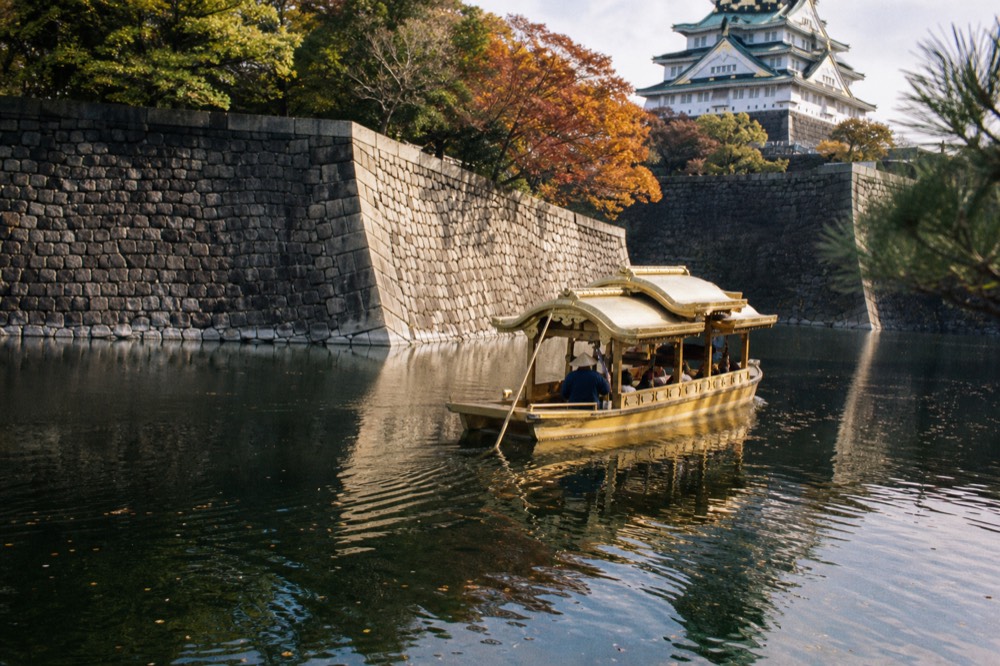
The Aqua-Liner water bus still runs its loop from the castle, and the Gozabune, the gold-leafed replica war boat on the inner moat by the tower, keeps sailing daily. Both operators publish current fares and timetables on their own sites, so check those pages before you go, since prices and schedules shift with the season. The moat boat is the one that fits a castle day: you board at the water's edge below the tower, and the ride circles the walls you just walked. The Aqua-Liner is better saved for a day when the river itself is the plan, or for getting you westward toward Namba by water instead of by train.
The land option is the Osaka Castle Park road train, which per its operator's own site charges 400 yen per ride for ages 13 to 64, 200 yen for children 4 to 12 and seniors 65 and over, free for disabled visitors, with a 1,000 yen all-day pass. The park's own page gives its operating window as 9:30 to 17:30, closed the first Thursday of the month, with stops including Morinomiya station, JO-TERRACE OSAKA and Gokurakubashi, and the Electric Car leg between Gokurakubashi and Toyokuni-jinja-mae is reserved for visitors with mobility difficulties. Our park shuttle guide covers the stop list in full.
If you take the guided route instead, the castle's grounds are what a guide actually illuminates, and this is where the two products this site covers differ in kind rather than price. The Osaka Castle Walking Guided Tour is a live English-speaking guide for the castle grounds, 1.5 to 3 hours, private or small group, from $28.85, rated 4.7 across 262 reviews. Its base price does not include tower admission: the listing's own excludes line says so and tells you to pick an admission-inclusive option if you want it. The walk and the tower ticket stack, they do not substitute, so a full castle day can be guide plus admission, or admission alone, but never the guide in place of the ticket.
A one-day budget, in yen, for the route above:
| Item | Cost | Notes |
|---|---|---|
| Castle entry e-ticket, adult | 1,200 yen (from $7.69) | Includes Main Tower and Stone Wall Museum, same day |
| Student admission at the gate | 600 yen | High school and university, proof required; junior high and under free |
| Nishinomaru Garden | 300 yen | Closed Mondays; 350 yen during the cherry night opening |
| Osaka Museum of History | 600 yen | Closed Tuesdays; separate ticket, no combined option since 27 Dec 2024 |
| Gozabune moat boat | fare on site | short loop ride |
| Road train, one way | 400 yen | 13 to 64; 200 yen child and senior |
| Exterior illumination at night | Free | Sunset to 00:30 |
Where Should The Evening Go, And What Stays Open Late?
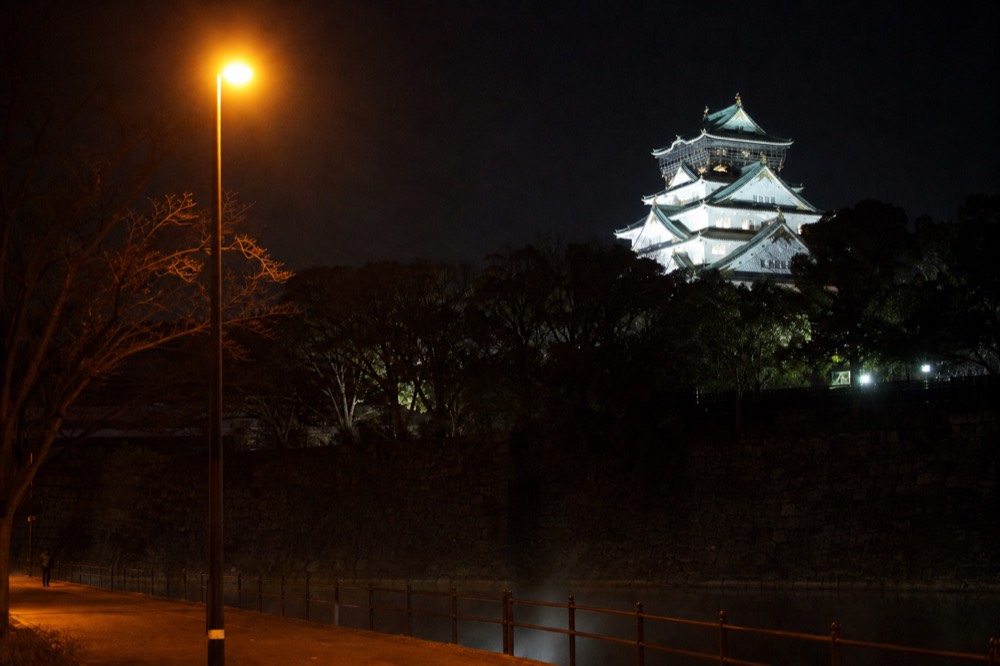
Head to Namba and Dotonbori for the evening, where restaurants and neon-lit streets keep going well into the night, but plan to return east or stay there for the castle illumination, which lights the tower from sunset until 00:30 and costs nothing to visit. The castle grounds after dark are the free finale most one-day plans miss: the tower is floodlit gradually over about an hour after sunset and stays lit to half past midnight, off only one inspection day a year. You do not need a ticket, you do not need to be inside anything, you only need to be standing in the park looking up. Dinner and neon are the other half of the evening, and the train puts both within twenty minutes of each other.
from $7.69 The from-price you see online and the price at the castle window are the same adult admission, so booking ahead costs nothing extra.
Your ticket into the tower
Official E-Ticket
- Osaka Castle Main Tower entry
- Osaka Castle Toyotomi Stone Wall Museum
- QR code entry
- Valid 30 days
- No fixed time slot
- No viewing time limit
Buying the official e-ticket ahead saves you the ticket-purchase line, not money, since the online price matches the window. You exchange nothing at the gate, you simply show the voucher and go in.
The real flexibility here is the voucher's 30-day validity, with no fixed time slot and no set viewing time limit.
At The Gate
Adult, per person Group rate from 15 paying visitors Free categories at the window
¥1,200
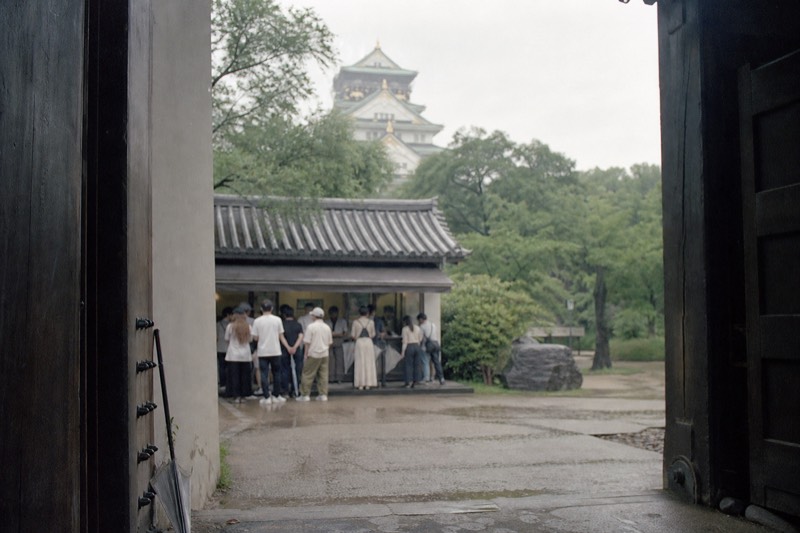
The window price is identical to the online price, so nothing is lost by paying in person. Students and under-15s should buy here, because proof-of-age discounts are handled face to face and not through an e-ticket.
Students with ID and visitors aged under 15, since discounted and free rates are only applied at the window.
See what it covers
Osaka Amazing Pass
One-day pass On sale 25 March 2026 to 31 March 2027
¥3,500
The one-day pass costs 3,500 yen against the 1,200 yen castle ticket on its own, so it only pays off with two or more other paid sights. Add transport and the maths tips further in its favor.
Visitors packing several paid sights plus metro and bus rides into one day, who will clear the pass price easily.
See what it covers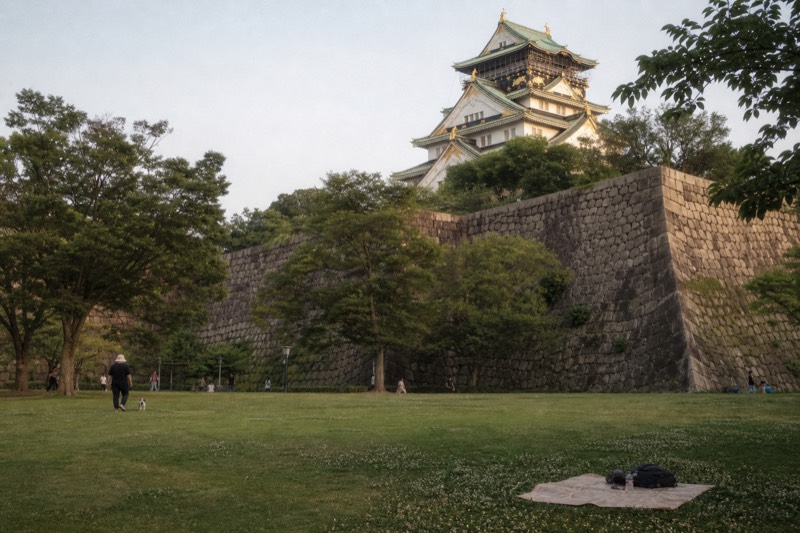
Free Park Areas
No admission charge
Free
The park grounds, moats, stone ramparts and exterior views of the tower cost nothing at all, and they fill a half day on their own. The paid line falls only at the Main Tower entrance and the Toyotomi Stone Wall Museum.
Anyone who wants the castle views, moats and grounds without paying to go inside the buildings.
See what it coversThe classic evening is the other direction, and it earns its fame. From the castle, the Tanimachi or Chuo lines take you to Namba, and from Namba you walk: Dotonbori's canal and its running, illuminated signage, then the Shinsaibashi arcade, then Hozenji Yokocho's lantern-lit alley for something quieter. Food in Dotonbori runs from conveyor sushi to the crab and gyoza institutions, and a rough planning range for a sit-down dinner is 2,000 to 5,000 yen per person, with the standing-sushi and kushikatsu counters well below that; treat the numbers as ranges and check the room, not as promises.
One dated warning belongs here, because it changes hotel arithmetic: Osaka Prefecture revised its accommodation tax effective 1 September 2025, dropping the exemption threshold from 7,000 yen to 5,000 yen per person per night, with bands of 200 yen on rooms of 5,000 to 15,000 yen, 400 yen on 15,000 to 20,000 yen, and 500 yen at 20,000 yen and above, per the prefecture's own tax page. It is a small sum but it now touches nearly every room in the city, so expect it on the bill.
If the evening is shaping up as a lot of walking, a footnote on smoking and crowds: A commercial facility called Nanoniwa, with 13 stores including cafes and restaurants, opened on 28 March 2025 in the Naniwa Palace Ruins Park, directly beside Osaka Castle Park. And the tower's FY2025 admissions were 2,813,851, a provisional all-time record at 105.8 percent of the previous year, so the crowds you have read about are real and the 9:00 start is the answer to them, not a nice-to-have. Per a Navitime navigation-data analysis reported by Kyodo News on 23 April 2026, Osaka Castle was the most popular castle among foreign visitors to Japan in 2025, so you are not finding a secret.
Our night guide covers the illumination and the evening angles in more detail, and if the day is running short, what to do after the castle lists the walkable neighbours.
How Much Time Does Each Part Actually Take?
A tight one-day plan runs about 10 to 11 hours: two to three hours at the castle complex, one to two at the museums or on the water, three in Namba and Dotonbori, and a half hour for the illumination on the way back. The castle museum's own figures say 50 to 60 minutes inside the tower, or 1.5 hours for a proper look, and the walk from any station is 18 to 21 minutes each way on the castle's own map, so the castle block alone is realistically three hours door to door.
Recent visitors report the same shape: durations of 1.5 to 3 hours for the tower plus grounds, and 45 minutes to an hour for the exterior and park only, as reported opinions rather than official figures. The official number for the tower interior is the 50-to-60-minute one above, plus the Stone Wall Museum, which is a short visit, maybe 30 to 40 minutes, since the gallery is one underground hall and the wall is the exhibit. Add a coffee at MIRAIZA OSAKA-JO, the former army headquarters building by the Otemon side now running as a restaurant and shop complex, and the morning is full without anything being rushed.
If you can only give Osaka half a day, cut from the bottom of this list, never the top: the castle and its park are the one thing in the city that is both genuinely historic and genuinely walkable in a morning, and everything else on the route, good as it is, exists in some form in every big city in Japan. Our how long to spend guide breaks the time budgets down further.
Whatever the length, the two decisions that determine the day are made the night before: buy the castle e-ticket so the morning queue is not your first hour, and pick the station, because the Tanimachi 4-chome approach via the Otemon is the flat one. That, and a Suica or ICOCA card in your pocket, is the whole plan. The rest is walking, and Osaka rewards walking.
A one-day Osaka plan answers five questions over and over: what the day looks like, whether the castle justifies its morning slot, how long the castle block takes, what stays open late, and whether a second day is worth adding. These are the short versions, with the figures from the guide above.
Common Questions About A Day In Osaka
What To Do In Osaka For A Day?
Start at Osaka Castle at 9:00 (1,200 yen adult, tower plus Toyotomi Stone Wall Museum), walk the park and Nishinomaru Garden (300 yen), see the Osaka Museum of History (600 yen) or ride the Gozabune moat boat, then take the train to Namba for Dotonbori in the evening. Finish, if you can, under the castle's free exterior illumination, lit from sunset to 00:30.
Is Osaka Castle Worth It If I Only Have One Day?
It is the anchor of most one-day Osaka plans, and the record numbers suggest visitors agree: 2,813,851 tower admissions in FY2025, a provisional all-time high. The honest caveat is that the tower interior is a 1931 reconstruction housing a museum, not a preserved wooden keep. The observation deck and the buried Toyotomi wall are what the 1,200 yen actually buys.
How Long Do I Need At Osaka Castle?
The museum's own guidance is 50 to 60 minutes inside the tower, or about 1.5 hours for a proper look, plus roughly 30 to 40 minutes for the Stone Wall Museum and 18 to 21 minutes walking in from any station. Realistically, budget three hours for the castle complex door to door.
Can I See Osaka Castle At Night Without A Ticket?
Yes. The exterior illumination is free and runs from sunset until 00:30, with the light building gradually over about an hour after sunset and one inspection night a year when it is off. The tower itself closes at 18:00, with last admission at 17:30.
Is One Day In Osaka Enough, Or Should I Add A Second?
One well-planned day covers the castle, one museum, the park and a Dotonbori evening. A second day buys you Kuromon Market, Shinsekai, Umeda's observation decks or a Himeji day trip, but it is depth, not necessity. The castle-first route on this page is the single-day answer.