Who Used To Live In Osaka Castle?
The residents of Osaka Castle across four centuries: Hideyoshi and his family in the tsumenomaru, the castle's fall in 1615, and why no one ever lived in the tower you see today.
Who Used To Live In Osaka Castle?
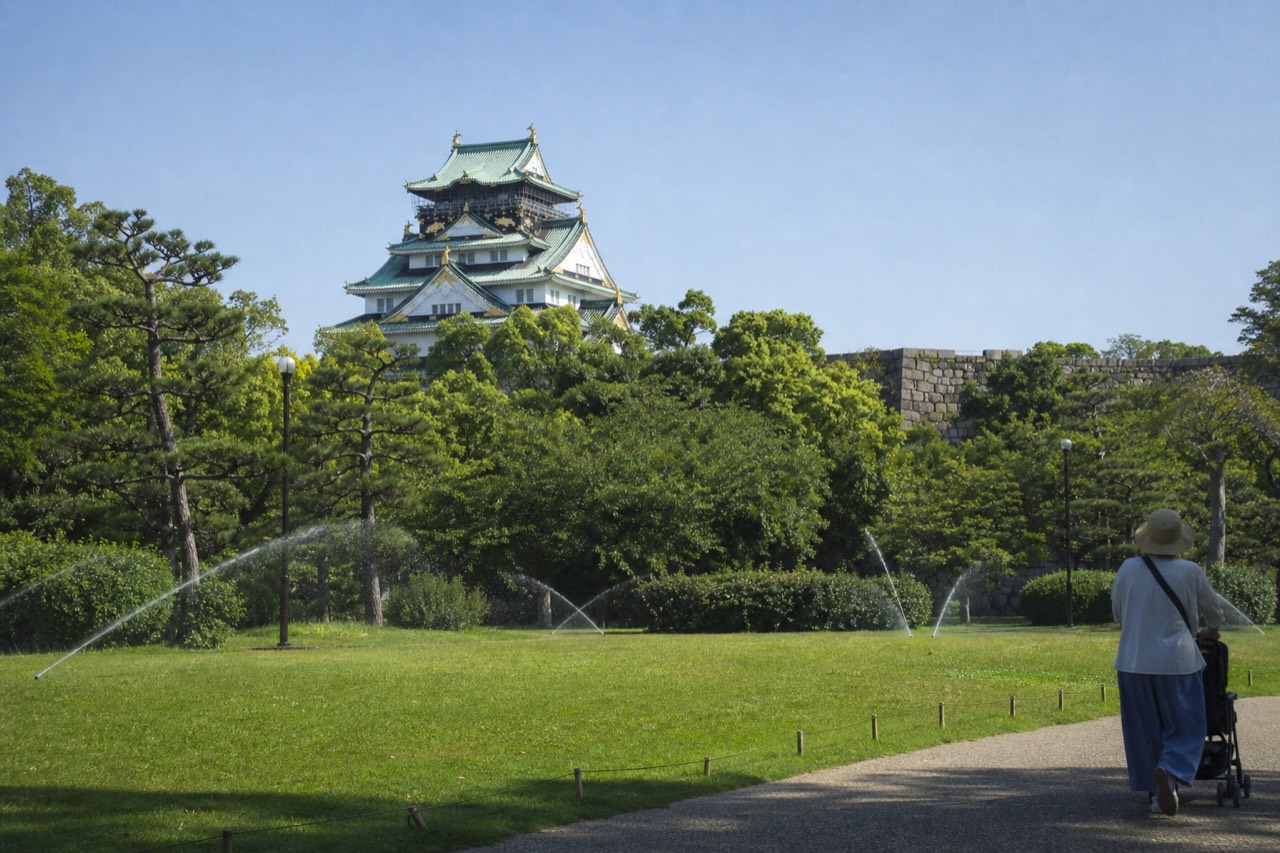
The people who actually lived in Osaka Castle were Toyotomi Hideyoshi and his household, and the place they lived was the tsumenomaru, the private quarters at the castle's core. Hideyoshi's wife One, and later Yodo-dono and their son Hideyori, occupied the same inner compound. After the castle fell in the Summer War of Osaka in 1615, no family ever lived there as a residence again, and the tower you see today has never been a home.
Hideyoshi began building on the site in 1583, on the grounds of the Ishiyama Honganji temple complex he had taken over, and the official park history records it took about 15 years to finish. The result was 4 to 5 times the scale of the present castle, with a gold-gleaming tenshu at the centre of the honmaru. But the tower, then as now, was a symbol and a storehouse, not a bedroom. The residential heart was the tsumenomaru, the walled compound where Hideyoshi and One lived, and where Yodo-dono raised Hideyori after Hideyoshi's death in 1598.
That residential core is the reason a visit today can feel like meeting the residents directly. When the Tokugawa shogunate rebuilt the castle from 1620, it buried the entire Toyotomi castle under a mass of fill, as the castle's own curators put it, as if to erase the authority of the Toyotomi family. The wall that protected the tsumenomaru lay hidden until it was rediscovered in 1984, about a metre below today's ground surface, and it is now the centrepiece of the Osaka Castle Toyotomi Stone Wall Museum, which opened on 1 April 2025 inside the honmaru.
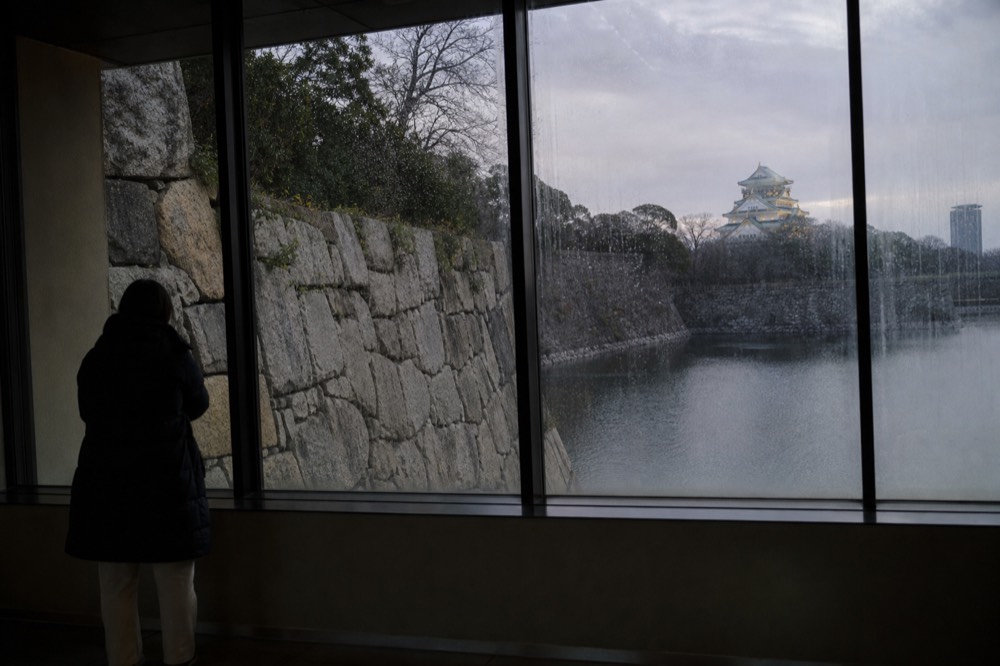
If you want to stand where the residents actually stood, the stone wall museum is the closest you can get, and a guide who knows the grounds adds the context the stones do not carry on their own. These are the two ways to see it:
Where Inside The Castle Did The Family Actually Live?
They lived in the tsumenomaru, the innermost walled quarter of the honmaru, not in the tenshu tower that gives the castle its silhouette. The castle's own Stone Wall Museum leaflet identifies the exposed wall as the one that protected the tsumenomaru, the private quarters where Hideyoshi and One lived, and later Yodo-dono and Hideyori. Today that ground lies roughly a metre below the present surface.
The details come from the castle museum's own curatorial column on the excavation. Using elevations measured against Tokyo Bay mean sea level, the wall section discovered in 1984 has its top at 29.8 metres and its base at 24.1 metres, while the tsumenomaru interior surface sits at 30.0 metres. Today's honmaru surface measures 31.2 to 31.5 metres, which is how we know the floor the family walked on lies about a metre under visitors' feet. Over the inner moat the burial is far deeper: a boring done in 1969 struck stone at about 25 metres below the surface, so the Tokugawa rebuild involved more than 25 metres of fill on the moat line.
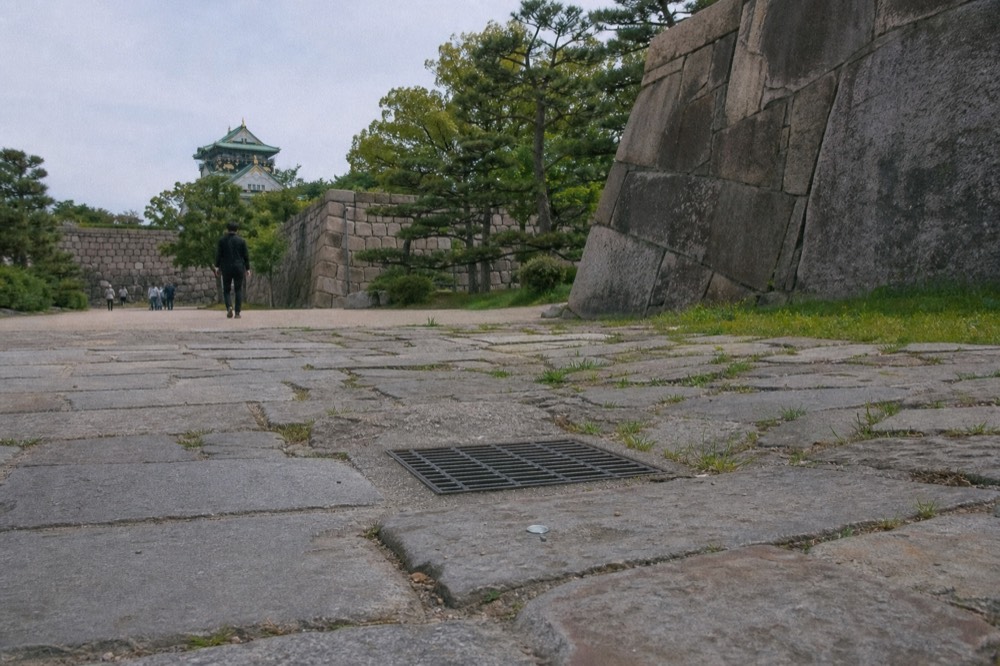
The residential picture is also being filled out by ongoing archaeology. A March 2025 excavation report by the Osaka City Education Committee and the Osaka Prefecture Cultural Properties Center documented Toyotomi-period building remains, a north-south moat containing Chinese and Korean ceramics, gold-foil roof tiles, and Tokugawa-period stone storage at the Ryuzoji-cho site, as exhibited at the Osaka Museum of History from 21 January to 30 March 2026. The excavation of the residential quarter is the sharpest recent window into what it contained.
A guided walk of the grounds is the natural pairing here, since the walking tour spends its 1.5 to 3 hours on exactly this layer of the story, and the entry ticket is what gets you down to the wall itself. The two stack: the tour's base price does not include tower admission, so you need a ticket to see the stone wall museum either way.
What Happened To The Residents In 1615?
The Summer War of Osaka ended the Toyotomi as a household and burned the entire castle. In 1615 the Toyotomi house was destroyed and the castle burned, per the official park history. Yodo-dono and Hideyori died in the fall of the castle, and the direct line of the Toyotomi, Hideyoshi's and his brother Hidenaga's lines, ended there.
The war came in two campaigns, one fought in winter and the second in the summer of 1615, and the second one was final. Hideyori was a young man in his early twenties when the castle fell. The Tokugawa shogunate then began its rebuild in 1620, a project the park history says took 10 years, involved large-scale earth fill across the entire site, and raised a tenshu 15 metres taller than Hideyoshi's, completely different in character from the castle it replaced. The old residence was deliberately erased under the fill rather than demolished in view, and the family that had ruled from it was erased with it.
If you want the full arc of the family, the site's other pages carry it: what happened at Osaka Castle covers the war in detail, and whether the Toyotomi clan still exists follows the bloodline question beyond 1615. Reporting from January 2026, published amid the wave of interest in the NHK taiga drama "Toyotomi Brothers!", discusses surviving Toyotomi-related bloodlines through the Kinoshita family, the line of Hideyoshi's sister, which became daimyo and later nobility. That is reported, not established here: the verified anchor is that the direct Hideyoshi and Hidenaga lines ended.
Did The Tokugawa Lords Live In The Castle Afterwards?
No resident family ever lived in Osaka Castle after 1615, because the Tokugawa rebuild made it a military and administrative site rather than a lord's residence. The shogunate stationed governors and garrisoned the site, but no daimyo household kept its home there, and the 1665 tenshu burned in a lightning strike and was never rebuilt as a residence or otherwise.
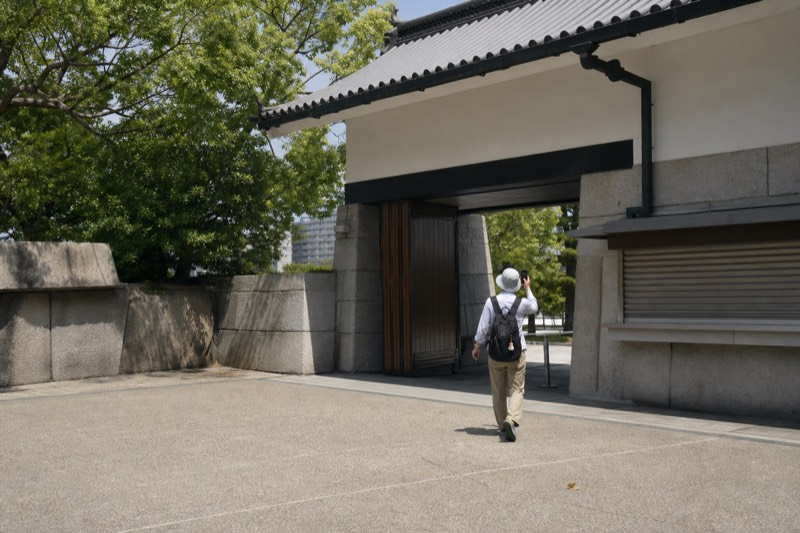
The Tokugawa castle's job was to watch western Japan, not to house a court. The surviving buildings from that era are military and utilitarian: the Otemon gate, the turret walls, the storehouses. The park lists 13 Important Cultural Property structures from the period, designated in 1953, including the Tamon-yagura and Sengan-yagura, and the two oldest surviving buildings at the castle, the Sengan-yagura and Inui-yagura, both built in 1620 under Kobori Enshu, stand today inside Nishinomaru Garden. A general could walk those corridors, but nobody raised children in them.
The official timeline tells the rest. In Kanbun 5 (1665) the Tokugawa tenshu burned in a lightning strike and was never rebuilt. In 1868 the remaining buildings, apart from parts such as the Otemon and the Tamon-yagura, burned in the turmoil of the Meiji Restoration. The site was requisitioned by the occupation forces in 1945, and the whole area was made a park afterwards. By the time the current tower rose in 1931, funded by public subscription from the citizens of Osaka on the proposal of mayor Seki Hajime, the castle had been nobody's home for three centuries.
| Period | Who was there | Did anyone live there? |
|---|---|---|
| 1583 to 1598 | Toyotomi Hideyoshi, wife One, the household | Yes, in the tsumenomaru |
| 1598 to 1615 | Yodo-dono and Hideyori, retainers, garrison | Yes, the last residents |
| 1620 to 1868 | Tokugawa governors, garrison, storekeepers | No resident family |
| 1931 to today | Museum staff and visitors | Never a residence |
Who Lives In Osaka Castle Now?
Nobody, and nobody ever has lived in the tower standing today. The 1931 reconstruction was built as a museum from the moment it opened, holding and rotating collections relating to Hideyoshi, the Sengoku period and the castle's history, funded by public subscription. It has been a museum since 1931, a National Registered Tangible Cultural Property since 1997, and an Osaka City Designated Tangible Cultural Property since 10 July 2025.
from $7.69 The from-price you see online and the price at the castle window are the same adult admission, so booking ahead costs nothing extra.
Your ticket into the tower
Official E-Ticket
- Osaka Castle Main Tower entry
- Osaka Castle Toyotomi Stone Wall Museum
- QR code entry
- Valid 30 days
- No fixed time slot
- No viewing time limit
Buying the official e-ticket ahead saves you the ticket-purchase line, not money, since the online price matches the window. You exchange nothing at the gate, you simply show the voucher and go in.
The real flexibility here is the voucher's 30-day validity, with no fixed time slot and no set viewing time limit.
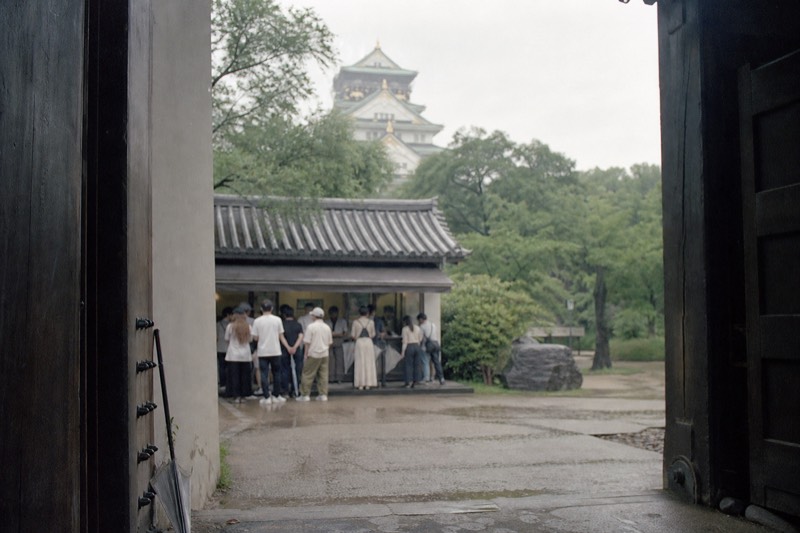
At The Gate
Adult, per person Group rate from 15 paying visitors Free categories at the window
¥1,200
The window price is identical to the online price, so nothing is lost by paying in person. Students and under-15s should buy here, because proof-of-age discounts are handled face to face and not through an e-ticket.
Students with ID and visitors aged under 15, since discounted and free rates are only applied at the window.
See what it covers
Osaka Amazing Pass
One-day pass On sale 25 March 2026 to 31 March 2027
¥3,500
The one-day pass costs 3,500 yen against the 1,200 yen castle ticket on its own, so it only pays off with two or more other paid sights. Add transport and the maths tips further in its favor.
Visitors packing several paid sights plus metro and bus rides into one day, who will clear the pass price easily.
See what it covers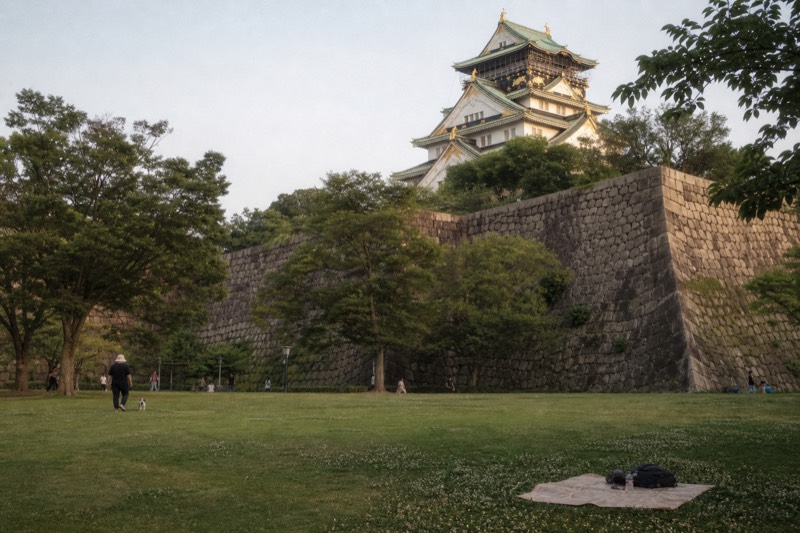
Free Park Areas
No admission charge
Free
The park grounds, moats, stone ramparts and exterior views of the tower cost nothing at all, and they fill a half day on their own. The paid line falls only at the Main Tower entrance and the Toyotomi Stone Wall Museum.
Anyone who wants the castle views, moats and grounds without paying to go inside the buildings.
See what it coversThe tower is a ferro-concrete reconstruction of five exterior tiers and eight interior floors, with an observation deck on the 8th floor about 50 metres above ground. Inside, the floors are exhibition space: 7F covers the life of Toyotomi Hideyoshi, 5F the world of the Summer War of Osaka folding screen, 4F and 3F Hideyoshi and his era. The residents' story is the museum's core subject rather than its occupants, which is a neat inversion: the building exists to house the memory of the household, not the household itself.
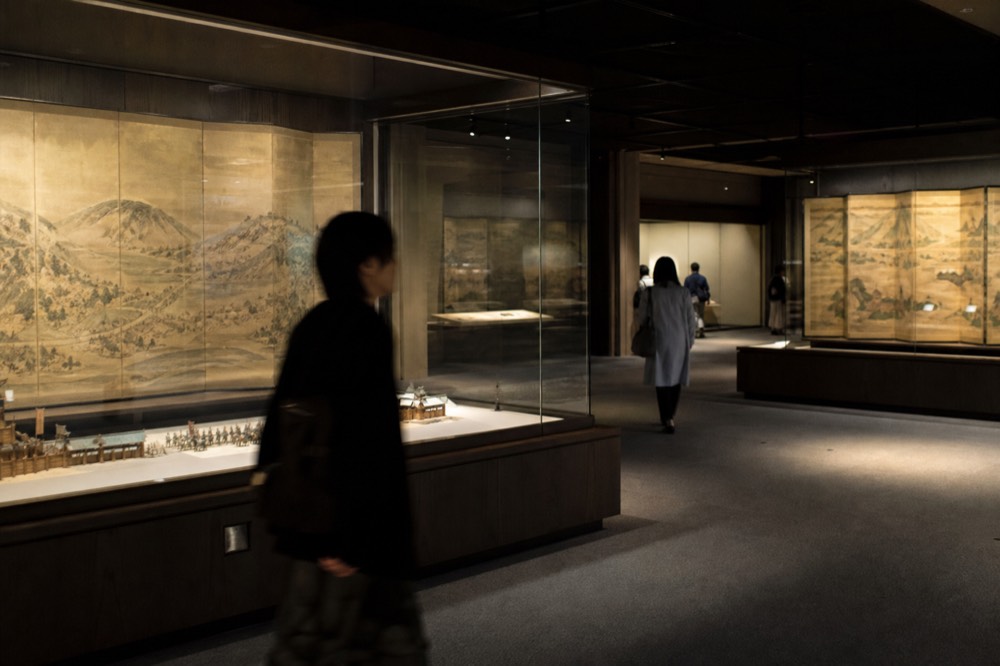
The building's status keeps evolving. On 10 July 2025 the 1931 tower was designated an Osaka City Tangible Cultural Property, per the castle's own news post. On 7 November 2025 the castle marked the 94th anniversary of the reconstruction with 10,000 commemorative certificates distributed in Japanese and English, special colour illumination at 19:00, 20:00 and 21:00, and a jazz concert, per an Osaka City announcement. A residency, it is not; a civic monument, it clearly is. That anniversary date is also the park's own birthday, since Osaka Castle Park opened on 7 November 1931, the same year the tower rose.
Admission to all of this is ¥1,200 for adults, the price set on 1 April 2025, and it includes both the Main Tower museum and the Stone Wall Museum. The e-ticket sold through this site is that same official price with a QR entry, valid 30 days, no fixed time slot, so it is a scheduling choice rather than a discount. Free audio guides in Japanese, English, Korean and Chinese are lent at the tower itself, a castle facility with limited quantity, reception 9:00 to 17:00, returned by 17:30, not something that comes bundled with a ticket.
Can You Still See Where The Residents Lived?
Yes, and the place to do it is the Osaka Castle Toyotomi Stone Wall Museum, an underground gallery inside the honmaru where you walk down to the wall that ringed the tsumenomaru. It opened on 1 April 2025, the ¥1,200 tower ticket covers it, and the wall it shows is the one behind which Hideyoshi, One, Yodo-dono and Hideyori actually lived.
The exhibition is built around nozurazumi masonry, natural-face stones barely worked before being stacked, and the details the excavation preserved: traces of the Summer War fires burnt onto the stone faces, backfill stones packed behind the wall for drainage, repurposed foundation stones carried in from ancient temples, and sangizumi corner technique in an early form. The floor plan is a 1F entrance hall, theater room and guidance room, plus a basement level with the stone wall exhibition hall. It has no toilets inside, which the museum's own page states plainly, so plan around that.
Above ground, the wider context is on the walls and lawns of the park itself, and the history of the castle walks through the whole sequence. The castle museum's own Stone Wall Museum page is the primary source for the gallery, and the official park site carries the timeline from 1583 to the present. Osaka Castle Tickets exists as a site precisely because the entry question, who gets in, for how much, covering what, got genuinely tangled once the stone wall museum opened and the old combined tickets died.
The last piece of context is the most recent. In May 2025 a capstone roughly 2 metres long came off the inner-moat stone wall in the northeast section, city officials inspected the site on 29 May and 6 June 2025, and repairs were scheduled for March 2026, per an Osaka City document. It is a real, checkable detail about a wall people photograph without thinking about, and it says nothing about the walls' overall safety, so treat it as maintenance news, not a warning. Some visitors in summer 2025 noted the repair scaffolding near the northeast section slightly obstructed views, a small cost of keeping a four-hundred-year-old wall standing.
Either way you see the castle, the grounds layer and the below-ground layer belong together:
The short answer to every version of this question is the same: the Toyotomi family lived in the tsumenomaru until 1615, nobody lived in the castle afterwards, and the tower standing today has been a museum since 1931. The questions below unpack each part of that, from Hideyoshi's own quarters to what a visitor can still see of them.
Common Questions About Who Lived In Osaka Castle
Who Used To Live In Osaka Castle?
Toyotomi Hideyoshi and his household: his wife One, and later Yodo-dono and their son Hideyori. They lived in the tsumenomaru, the private quarters at the castle's core, until the castle fell in the Summer War of Osaka in 1615. After the Tokugawa rebuild the site was military and administrative, and no family ever lived there again.
Did Hideyoshi Live In The Castle Tower?
No. The tenshu was a symbol and stronghold, not a residence. The family's living quarters were in the tsumenomaru compound beside it, the ground that now lies about a metre below the present surface and is shown in the Osaka Castle Toyotomi Stone Wall Museum.
Did Anyone Live In The Current Tower?
No. The 1931 reconstruction was built as a museum from the moment it opened, funded by public subscription from the citizens of Osaka. It has held collections on Hideyoshi and the Sengoku period ever since and has never contained a home.
Where Did Yodo-Dono And Hideyori Live?
In the tsumenomaru, the same private quarter where Hideyoshi and One had lived. Hideyori was born there and died there in 1615, when the castle fell to the Tokugawa forces in the Summer War of Osaka.
Can I See The Residents' Quarters Today?
Partly. The Osaka Castle Toyotomi Stone Wall Museum, opened 1 April 2025, exposes the wall that protected the tsumenomaru, buried under about 6 metres of fill by the Tokugawa rebuild and rediscovered in 1984. The ¥1,200 tower ticket includes it, same day only.