Osaka Castle History: From Toyotomi Hideyoshi To The 1931 Concrete Tower
The Osaka Castle you see today is not a medieval castle. It is a 1931 concrete reconstruction built by public subscription, and the Toyotomi-era original lies buried beneath it. This guide tells the story, layer by layer.
Short answer
Osaka Castle was built by Toyotomi Hideyoshi in 1583, destroyed in 1615, rebuilt by the Tokugawa shogunate and then destroyed by lightning in 1665. The current concrete tower was reconstructed in 1931 with citizen donations, and a new underground museum opened in 2025 displays the buried Toyotomi stone walls.
Why Does Osaka Castle Look Like A Concrete Tower?
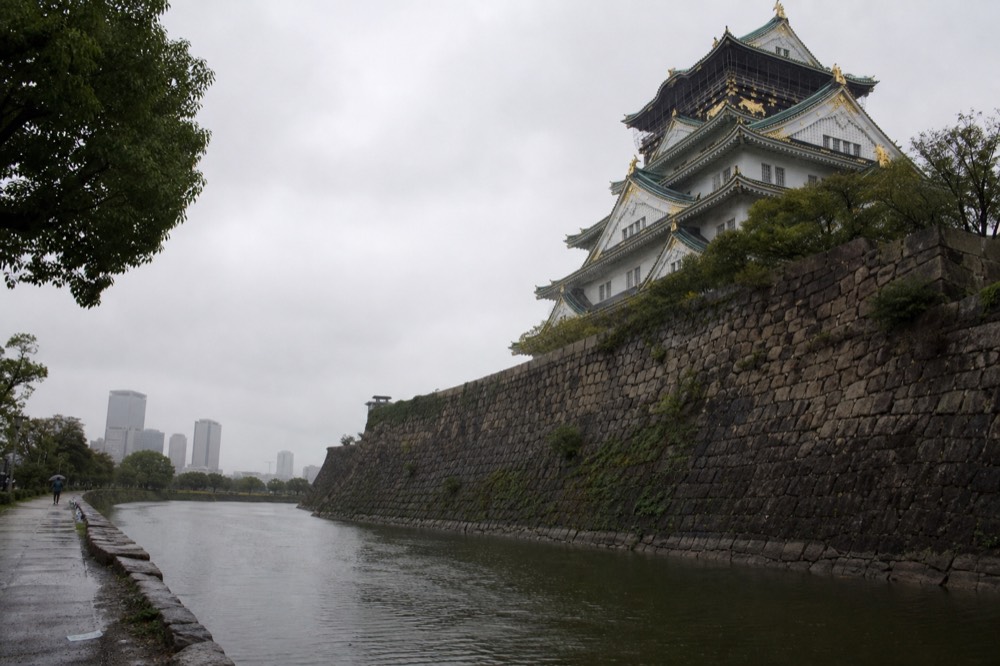
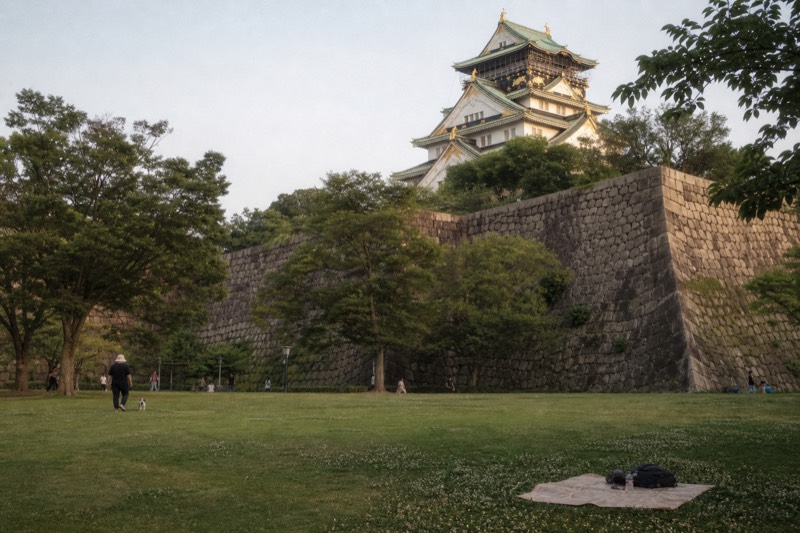
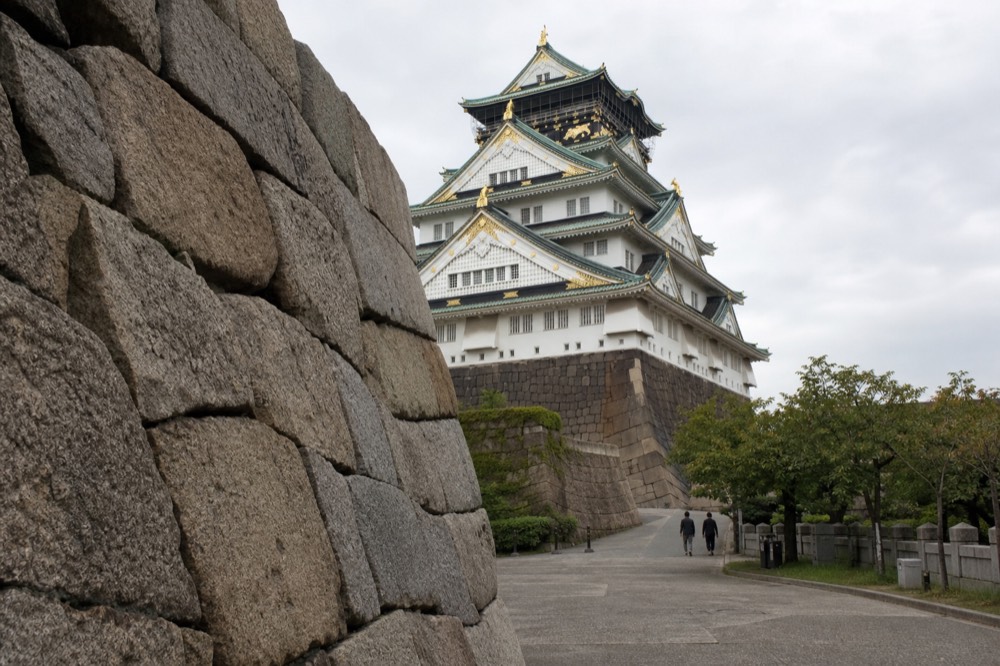
The Main Tower (Tenshukaku) you see today is a 1931 ferro-concrete reconstruction, built with donations from the citizens of Osaka. It has been a museum since the day it opened. The original Toyotomi castle was destroyed in 1615, and the Tokugawa replacement burned down in 1665. The 1931 tower was designed to look like the Tokugawa version, but its interior is a modern museum with an elevator and a 50 m observation deck.
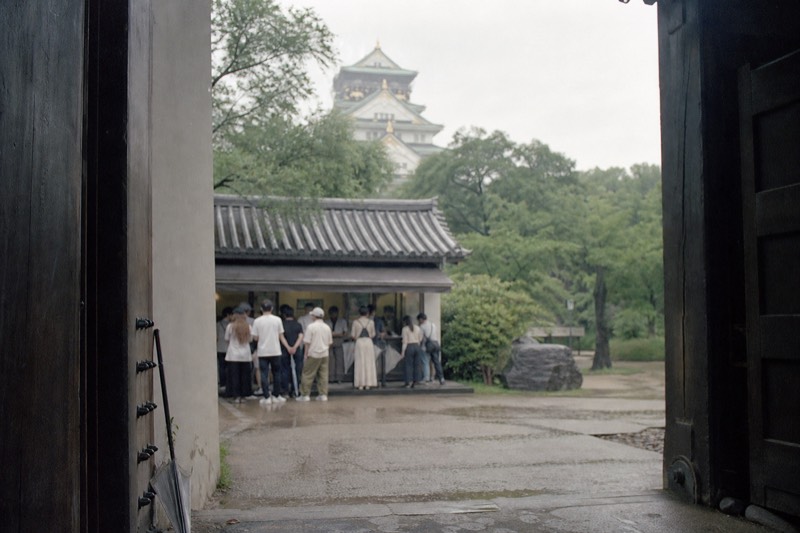
This is the first thing that surprises visitors. The exterior is a faithful reproduction of the 17th-century Tokugawa keep, but inside it is a concrete building with eight floors, a lift, and a museum dedicated to the Sengoku period. The reason is simple: the tower was rebuilt in 1931 specifically to serve as a history museum, not as a fortress. The project was championed by then-mayor Seki Hajime, and the funds came from public subscription, a point the city still honours today. On 7 November 2025, the castle marked the 94th anniversary of that reconstruction with a special colour light-up and a jazz concert, as reported by the city.
If you buy an entry ticket through Osaka Castle Tickets, you get access to both the Main Tower and the Toyotomi Stone Wall Museum, a separate underground gallery that opened on 1 April 2025 and displays the actual stone wall of Hideyoshi's original castle. The ticket is valid for 30 days and has no fixed time slot. The castle is a National Registered Tangible Cultural Property, and in July 2025 it was also designated an Osaka City Tangible Cultural Property, a status that reflects its importance as a civic monument rather than an ancient relic.
The castle's history is not a single story but three: the Toyotomi original, the Tokugawa replacement, and the citizens' reconstruction. Each layer is visible if you know where to look, and the underground museum makes the oldest layer accessible for the first time.
What Was Hideyoshi's Original Castle?
Toyotomi Hideyoshi began building Osaka Castle in 1583 on the site of the former Ishiyama Honganji temple, and it took about 15 years to complete. At its largest, the castle was four to five times the scale of the present one, with a gold-gleaming tenshu at the centre of the honmaru. It was the largest castle in Japan at the time, and it was Hideyoshi's base for unifying the country.
The Toyotomi castle was built on a massive scale. The honmaru, the innermost walled compound, sat on a three-tier system of stone terraces: the shitanodan, the nakanodan, and the tsumenomaru. The tenshu rose from the tsumenomaru, and the whole complex was designed to be unassailable, yet it fell in the Summer War of Osaka in 1615, when the Tokugawa forces breached the outer defences and set fire to the keep. Hideyoshi himself had died in 1598, and his heir, Hideyori, was a child. The castle burned to the ground, and the Toyotomi line was extinguished.
The 2026 NHK taiga drama "Toyotomi Brothers!" has renewed interest in this period. The drama premiered on 4 January 2026 and its linked special exhibition toured Nagoya, the Osaka Museum of History, and Tokyo throughout the year, according to the exhibition's official site (see After the castle). The castle's own summer exhibitions in 2026 featured a Hideyoshi special in the 3F exhibition room and a Sengoku siblings exhibition across 3F and 4F, as announced on the castle museum's official social media account. Nothing of the Toyotomi-era buildings remains above ground, but the stone walls that supported them are still there, buried under the later Tokugawa fill.
The Toyotomi castle was not just a military base. It was a political centre, a lavish residence, and a symbol of Hideyoshi's power. The gold-leaf roof tiles, the Chinese ceramics, and the large-scale moats were all designed to impress. A March 2025 excavation report from the Osaka City Education Committee and the Osaka Prefecture Cultural Properties Center documented Toyotomi-period building remains, including gold-foil roof tiles, Chinese and Korean ceramics, and a north-south moat at the Ryuzoji-cho site. These finds were exhibited at the Osaka Museum of History from 21 January to 30 March 2026, giving the public a rare look at the original castle.
The guided walking tour covers the castle grounds and explains the Toyotomi period in detail, while the entry ticket gives you access to the tower and the underground stone wall museum. Both are available on the operator's live listing.
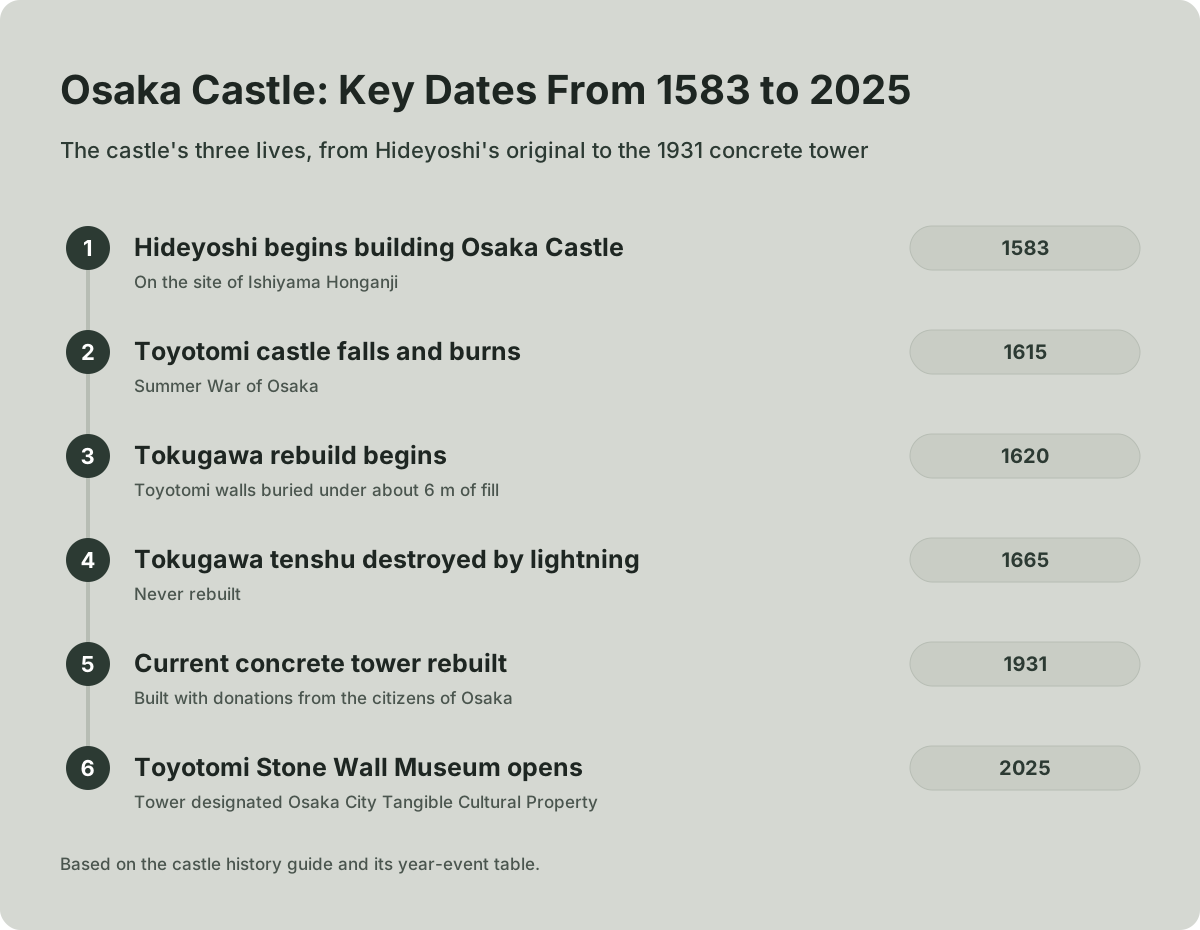
Year
Event
1583
Toyotomi Hideyoshi begins building Osaka Castle on the site of Ishiyama Honganji
1598
Hideyoshi dies; the castle is completed after about 15 years of construction
1615
Summer War of Osaka; the Toyotomi castle falls and burns to the ground
1620
Tokugawa shogunate begins rebuilding the castle, burying the Toyotomi walls
1629
Tokugawa tenshu completed, roughly 15 m taller than the Toyotomi original
1665
Tokugawa tenshu destroyed by lightning; never rebuilt
1868
Remaining castle buildings burn in the Meiji Restoration turmoil
1931
Current concrete tower rebuilt with donations from the citizens of Osaka
1945
Tower damaged in air raids on 14 August, the day before the surrender
1997
Heisei Great Repair restores the tower to its 1931 appearance
2025
Toyotomi Stone Wall Museum opens; tower designated Osaka City Tangible Cultural Property
This timeline is the fastest way to grasp the castle's three lives. The gaps are as important as the events: the site had no tenshu from 1665 to 1931, a span of over two and a half centuries, and the Toyotomi walls were invisible from 1620 until the museum opened in 2025.
What Did The Tokugawa Shogunate Build After The Toyotomi Castle Fell?
After the Summer War of Osaka, the Tokugawa shogunate completely rebuilt the castle from 1620, burying the Toyotomi walls under about 6 m of fill and constructing a new tenshu that was about 15 m taller than the original. This Tokugawa tower stood until 1665, when it was struck by lightning and burned down. No tenshu stood on the site for over two and a half centuries, until the 1931 reconstruction.
The Tokugawa rebuild was a statement of dominance. The new stone walls were laid over the Toyotomi ones, and the entire honmaru was raised by piling earth on top of the old surface. The Tokugawa tenshu, at about 58 m tall, was the tallest castle keep in Japan at the time, and its top, at about 89 m elevation, was roughly 19 m higher than the Toyotomi tenshu had been. The castle's own curatorial column notes that the current tower's shachi, the golden fish-like ornaments, sits at 85.9 m elevation, making the Tokugawa tower about 3 m taller than today's reconstruction.
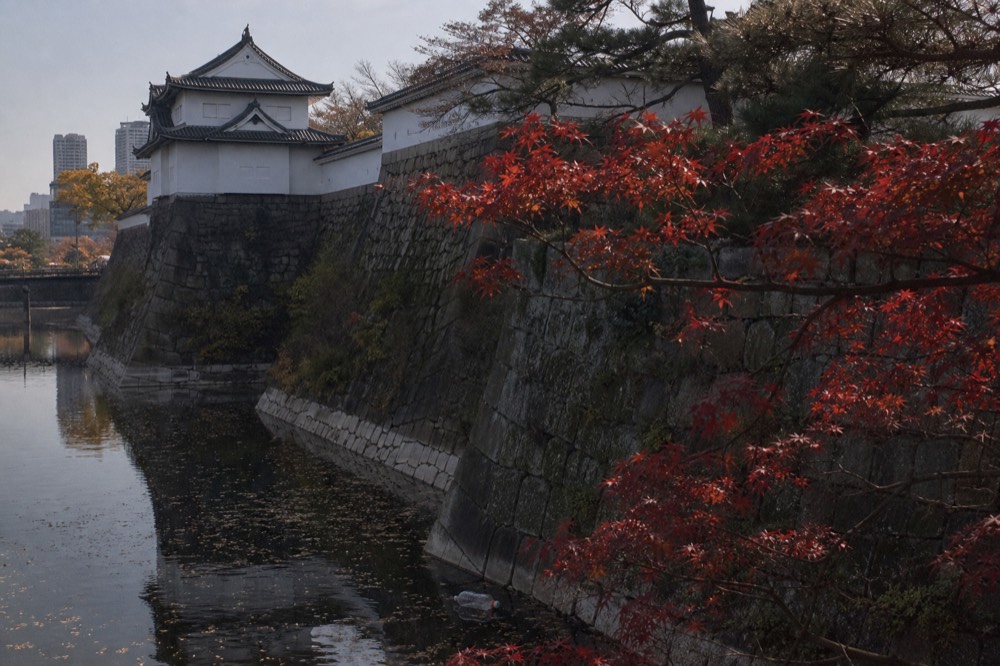
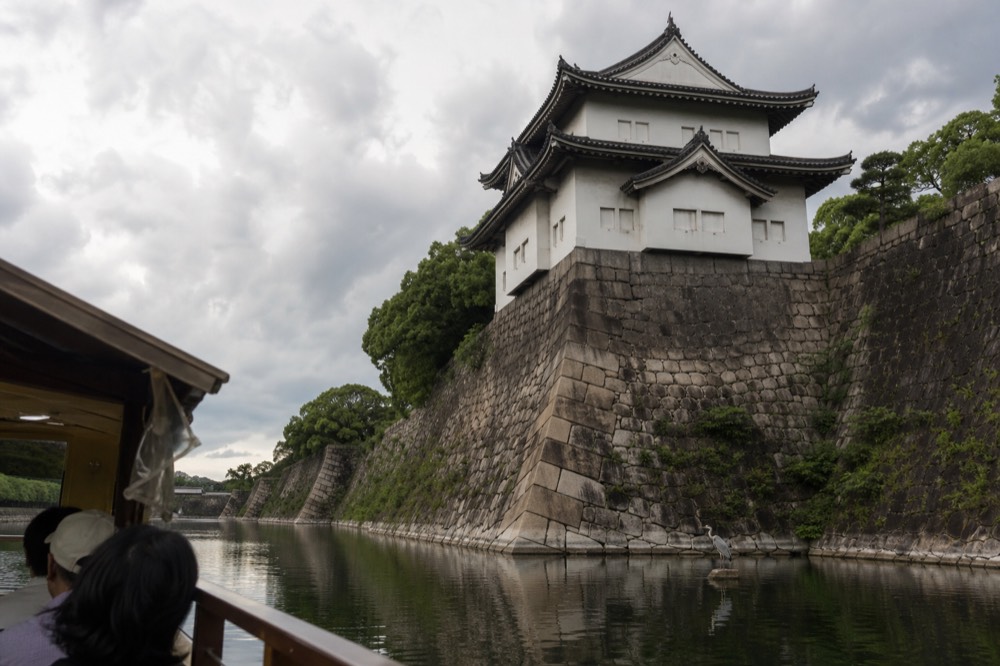
The Tokugawa builders also constructed the surviving turrets, gates, and stone walls that visitors see today. The Sengan-yagura, Inui-yagura, Tamon-yagura, and the Otemon gate are all from this period and are designated Important Cultural Properties. Thirteen structures in the park carry this designation, most of them dating to the Tokugawa rebuild. The Tokugawa Osaka Castle 400 Years exhibition, held at the Osaka Museum of History from 11 February to 6 April 2025, featured 1:10 scale models of the Honmaru palace and screens that showed the layout of the Tokugawa fortress. The museum itself is a worthwhile pairing with the castle, though the combined ticket that once linked the two ended in December 2024.
The guided walking tour takes you through the castle grounds and explains the layers of Tokugawa construction, from the moats to the stone walls, and the difference between the original and the rebuild. The tour does not include tower admission, so you can decide whether to go inside afterwards. Check availability on the operator's live listing.
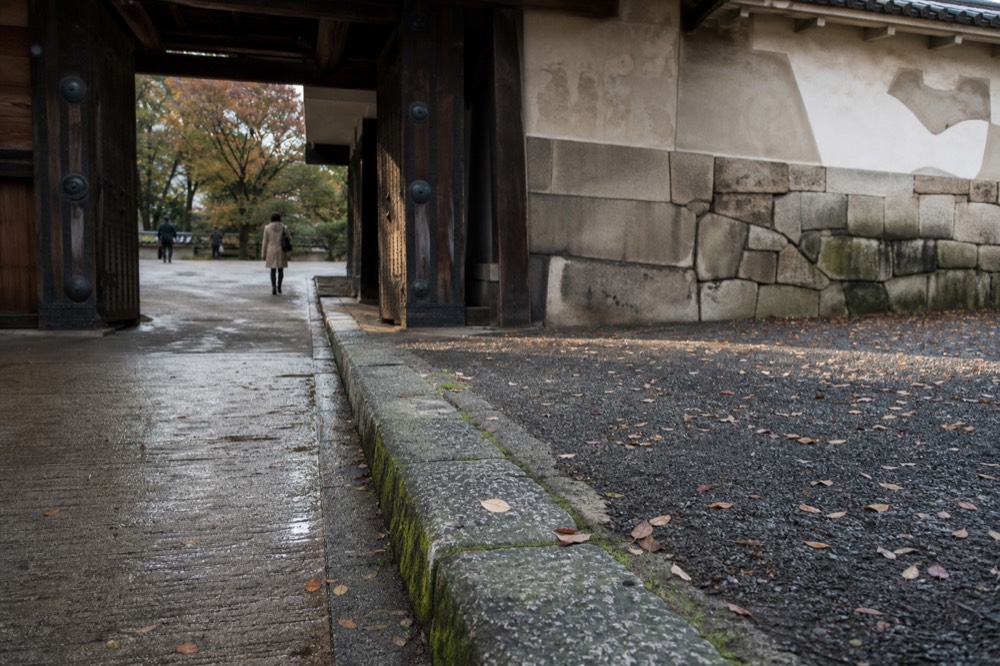
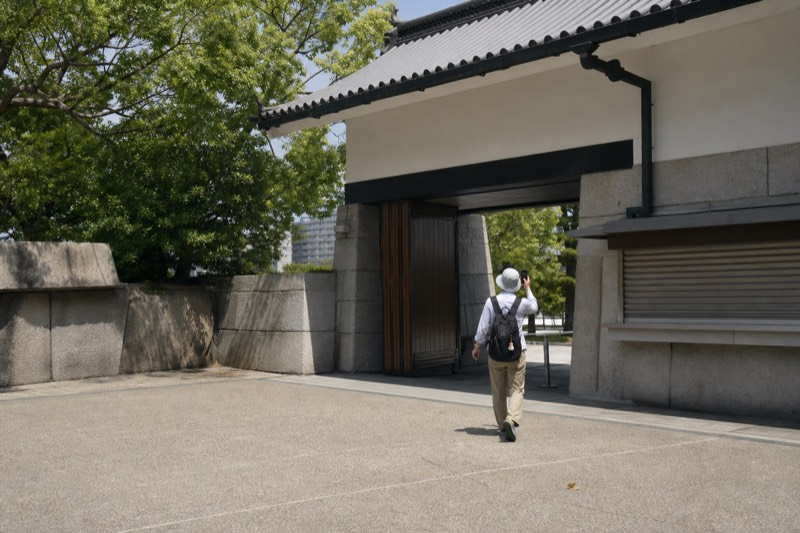
The Otemon gate, built in 1620, is the main entrance to the honmaru and one of the best-preserved Tokugawa structures. It is a designated Important Cultural Property, and walking through it is the closest you can get to the experience of entering the Tokugawa castle.
What Lies Beneath The Modern Castle? The Toyotomi Stone Wall Museum
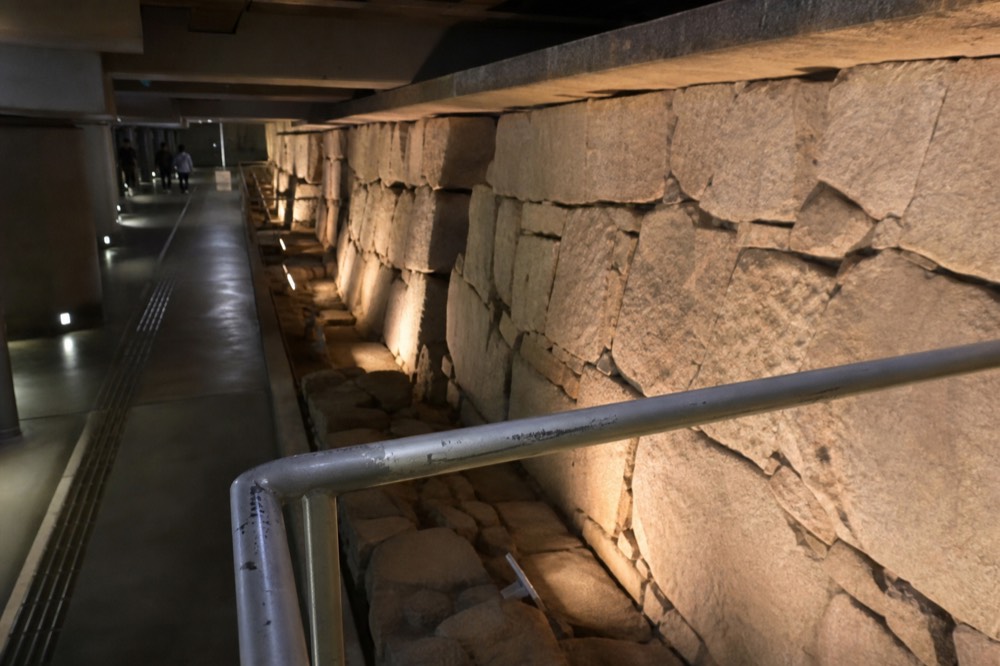
The Osaka Castle Toyotomi Stone Wall Museum, opened on 1 April 2025, is an underground gallery inside the honmaru. It displays a section of the Toyotomi-era stone wall that was buried by the Tokugawa shogunate. The wall is a nozurazumi (natural-face masonry) wall that protected the tsumenomaru, the private quarters of Hideyoshi and his family. The museum is included in the Main Tower admission ticket.
This is the single most important historical discovery at the castle. The wall was found in 1984 during excavations, and it lay hidden for decades before the museum was built. The Tokugawa rebuild had piled about 6 m of earth on top of the Toyotomi walls, completely burying them. The exposed section shows the burnt stone faces from the 1615 fire, the uragome-ishi backfill stones packed behind the wall for drainage, and the sangizumi corner technique in an early form. The museum's English leaflet calls it "the castle's most important historical revelation."
The museum opened on 1 April 2025, and on 1 April 2026 it marked its first anniversary with a free concert by the traditional-instrument group Koma at the museum entrance. The castle reached 2,813,851 Main Tower admissions in FY2025, a provisional all-time record, according to the city's April 2026 press release. The museum has no separate admission price; the 1,200 JPY tower ticket includes both the Main Tower and the stone wall gallery. The museum's curatorial column has published detailed measurements of the wall's elevation, showing that the Toyotomi-era ground surface in the tsumenomaru area lies about 1 m below the present surface, while the inner moat fill reaches more than 25 m deep in places.
The guided tour does not enter the stone wall museum, but your guide can explain the history of the walls and the Toyotomi period before you go inside on your own. The tour is a live English-speaking walk of 1.5 to 3 hours, and the base price covers the guided walk itself.
How The 1931 Tower Was Built And What It Holds Today
The 1931 tower was rebuilt using reinforced concrete, with public donations, and it was designed to look like the Tokugawa tower. It has five exterior tiers but eight interior floors, and the 8F observation deck is about 50 m above ground. The tower is a museum, with exhibits on Hideyoshi, the Summer War of Osaka, and the castle's history.
The reconstruction was a civic project. Mayor Seki Hajime proposed it, and the citizens of Osaka raised the funds. The tower was built not to load the original tenshudai, the stone base, which is why the 1945 bombing damage to the tenshudai did not affect the tower itself. The tower survived the air raids of 14 August 1945, the day before the surrender, and the visible slippage in the stone wall from the north face to the east face is from a bomb that landed a few metres away. The tower was repaired in 1964 and again in the 1997 Heisei Great Repair.
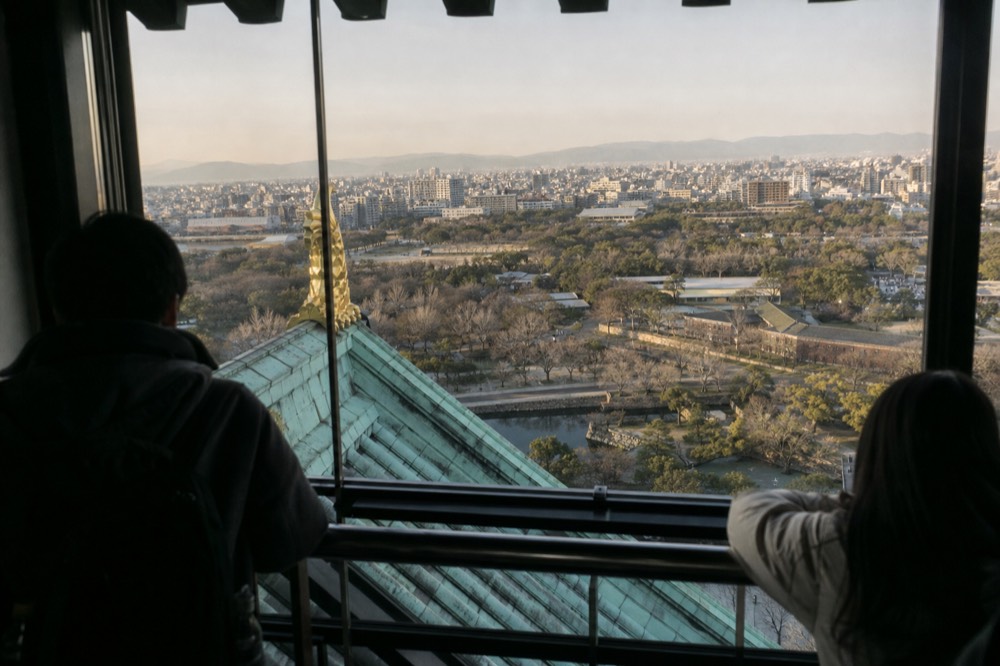
Inside, the elevator takes visitors to the 5th floor, and stairs lead to the 8th. The 3F and 4F floors display Important Cultural Properties and are photography-free. The 5F miniatures and video explain the Summer War of Osaka, and the 7F covers Hideyoshi's life. The 8F observation deck offers a panoramic view of the park and the city. The tower also has a theatre room on 1F with five programmes in rotation, subtitled in Japanese, English, Chinese, and Korean.
The three main phases of Osaka Castle: the Toyotomi original (1583 to 1615), the Tokugawa rebuild (1620 to 1665), and the 1931 concrete reconstruction.
The tower's floor-by-floor guide is as follows:
from $7.69The from-price you see online and the price at the castle window are the same adult admission, so booking ahead costs nothing extra.
Your ticket into the tower
Official E-Ticket
Adult, per person
Osaka Castle Main Tower entry
Osaka Castle Toyotomi Stone Wall Museum
QR code entry
Valid 30 days
No fixed time slot
No viewing time limit
Buying the official e-ticket ahead saves you the ticket-purchase line, not money, since the online price matches the window. You exchange nothing at the gate, you simply show the voucher and go in.
The real flexibility here is the voucher's 30-day validity, with no fixed time slot and no set viewing time limit.
Adult, per personGroup rate from 15 paying visitorsFree categories at the window
¥1,200
The window price is identical to the online price, so nothing is lost by paying in person. Students and under-15s should buy here, because proof-of-age discounts are handled face to face and not through an e-ticket.
Students with ID and visitors aged under 15, since discounted and free rates are only applied at the window.
One-day passOn sale 25 March 2026 to 31 March 2027
¥3,500
The one-day pass costs 3,500 yen against the 1,200 yen castle ticket on its own, so it only pays off with two or more other paid sights. Add transport and the maths tips further in its favor.
Visitors packing several paid sights plus metro and bus rides into one day, who will clear the pass price easily.
The park grounds, moats, stone ramparts and exterior views of the tower cost nothing at all, and they fill a half day on their own. The paid line falls only at the Main Tower entrance and the Toyotomi Stone Wall Museum.
Anyone who wants the castle views, moats and grounds without paying to go inside the buildings.
Observation deck, 50 m above ground, panoramic views of the park and Osaka
7F
The life of Toyotomi Hideyoshi, dioramas and artefacts
6F
Closed corridor, no access
5F
The world of the Summer War of Osaka folding screen, video and miniature models
4F and 3F
Hideyoshi and his era, Important Cultural Properties, photography banned
2F
Castle information corner, samurai helmet and jinbaori try-on (¥500)
1F
Entrance, theatre room, museum shop
The castle also has a free audio guide in Japanese, English, Korean, and Chinese, available from the 1F and 5F information counters. You must return it by 17:30. The tower lends 5 wheelchairs for in-building use, and there is an accessible lift for wheelchair users.
The entry ticket covers both the Main Tower and the Toyotomi Stone Wall Museum. It is the same 1,200 JPY as the gate price, and you can use it on any day within 30 days of purchase. Check availability on the live listing.
The three castles side by side, in summary:
Feature
Toyotomi Castle (1583)
Tokugawa Castle (1620)
1931 Reconstruction
Tenshu height
About 40 m
About 58 m
Observation deck at 50 m
Construction
Wood and stone
Wood and stone
Reinforced concrete
Status
Destroyed 1615
Burned 1665
Standing, museum
Fate
Buried under fill
Lightning strike
Survived WWII bombing
Visitor access
None
None
Open daily, 9:00-18:00
What Recent Discoveries Have Changed Our Understanding Of The Castle?
In the last two years, Osaka Castle has gained a new museum, a fresh cultural-property designation, and a series of archaeological finds that have deepened the understanding of the Toyotomi layer. The fall of a capstone from the inner moat wall in May 2025 also led to a scheduled repair in March 2026, and the 94th anniversary of the 1931 tower was marked with a multi-language certificate programme.
The most significant recent event was the opening of the Toyotomi Stone Wall Museum on 1 April 2025. For the first time, visitors can see the actual stone wall of Hideyoshi's castle, buried for over 400 years. The museum's curatorial column has published detailed measurements of the wall's elevation, and the 2026 exhibition programme at the tower has kept the finds in the public eye.
In May 2025, a capstone roughly 2 m long fell from the inner-moat stone wall at section 403, near the northeast side. City officials inspected the site in June 2025 and scheduled repairs for March 2026, according to an Osaka City document. The scaffolding may slightly obstruct views near the northeast section, but the wall is not considered unsafe, and the repair is a routine maintenance task on a structure of this age.
The castle museum's official social media account announced two temporary exhibitions running in the summer of 2026: a Hideyoshi summer special in the 3F exhibition room until 7 October 2026, and an "Osaka Castle Zoo" display in the 4F room until 8 October 2026. A larger Sengoku siblings exhibition will run from 10 October to 23 November 2026 across both floors. These exhibitions are part of the museum's regular rotation, and they often tie into the NHK taiga drama schedule.
The castle's cultural-property status also changed. On 10 July 2025, the 1931 tower was designated an Osaka City Tangible Cultural Property, adding to its earlier National Registered Tangible Cultural Property status from 1997. This local designation reflects the tower's importance to the city's identity and its role as a civic monument.
The Tokugawa-era structures remain a key attraction. The 2026 edition of the Important Cultural Property Osaka Castle Yagura Special Opening runs from 14 March to 24 May on weekends and holidays, 18 July to 16 August for the Inui Yagura, and 5 September to 29 November for the Tamon and Sengan Yagura. A combined ticket covers the turrets and the Nishinomaru Garden, and a set ticket with the Main Tower is also available. This is a separate product from the entry ticket sold on this site, and it is worth checking if you are visiting during the open periods.
Osaka Castle was built by Toyotomi Hideyoshi in 1583 on the site of the former Ishiyama Honganji temple. The current tower is a 1931 reconstruction built by the citizens of Osaka.
Why Does Osaka Castle Look So Modern?
The current Main Tower is a 1931 concrete reconstruction, designed to look like the Tokugawa-era keep. It was built as a museum, not as a fortress, and it has an elevator and modern exhibition spaces.
What Happened To The Original Toyotomi Castle?
The Toyotomi castle was destroyed in the Summer War of Osaka in 1615 and burned to the ground. The stone walls were then buried under about 6 m of fill by the Tokugawa shogunate when they rebuilt the castle.
How Tall Was The Original Castle?
The Toyotomi tenshu was about 40 m tall, and the Tokugawa tenshu was about 58 m. The current tower's shachi sits at 85.9 m elevation, and the 8F observation deck is about 50 m above ground.
Is The Castle A Replica?
The 1931 tower is a reconstruction of the Tokugawa-era keep, built using reinforced concrete. It is not a replica of the Toyotomi original, which was different in design and scale. The stone walls, moats and turrets are all Tokugawa-era workawa structures.
Can You See The Original Toyotomi Stone Walls?
Yes, the Toyotomi Stone Wall Museum, opened in April 2025, displays a section of the original Toyotomi-era wall that was buried for 400 years. It is located inside the honmaru, near the Main Tower, and is included in the tower admission ticket.
Want A Guide To Bring The History To Life?
A live English-speaking guide can walk you through the castle grounds and explain the layers of history you are standing on. The tour lasts 1.5 to 3 hours. The base price does not include tower admission; you can add it as an option when you book.